How to Optimize Your Video Content for AI Search Engines (GEO Guide)
AI-powered search engines like Google AI Overviews, ChatGPT, and Perplexity are changing how people discover video content. This GEO guide shows you how to make your videos visible to AI.
What Is GEO and Why Does It Matter for Video?
Generative Engine Optimization (GEO) is the practice of optimizing your content to be discovered, cited, and recommended by AI-powered search engines. While traditional SEO focuses on ranking in Google's blue links, GEO focuses on appearing in AI-generated answers.

AI search engines process content differently than traditional search — your optimization strategy needs to evolve.
For video content creators and brands, this is a massive shift. Here's why:
- Google AI Overviews now appear in 40%+ of search results, often featuring video
- ChatGPT with search actively cites video sources when answering questions
- Perplexity frequently embeds YouTube videos in its responses
- Bing Copilot surfaces video content for how-to and educational queries
If your video content isn't optimized for these AI engines, you're invisible to a rapidly growing segment of searchers.
The GEO Framework for Video Content
1. VideoObject Schema Markup
Schema markup is the single most impactful GEO optimization for video. It tells AI engines exactly what your video contains.
Essential schema properties:
{
  "@context": "https://schema.org",
  "@type": "VideoObject",
  "name": "Your Video Title",
  "description": "Detailed description answering who, what, why",
  "thumbnailUrl": "https://example.com/thumbnail.jpg",
  "uploadDate": "2026-03-01",
  "duration": "PT5M30S",
  "contentUrl": "https://example.com/video.mp4",
  "embedUrl": "https://youtube.com/embed/xxxxx",
  "publisher": {
    "@type": "Organization",
    "name": "Your Brand Name"
  },
  "hasPart": [
    {
      "@type": "Clip",
      "name": "Chapter Title",
      "startOffset": 30,
      "endOffset": 120
    }
  ]
}
2. Full Video Transcripts
AI engines can't watch your video (yet). They rely on text to understand video content. A full transcript is the most important text signal you can provide.
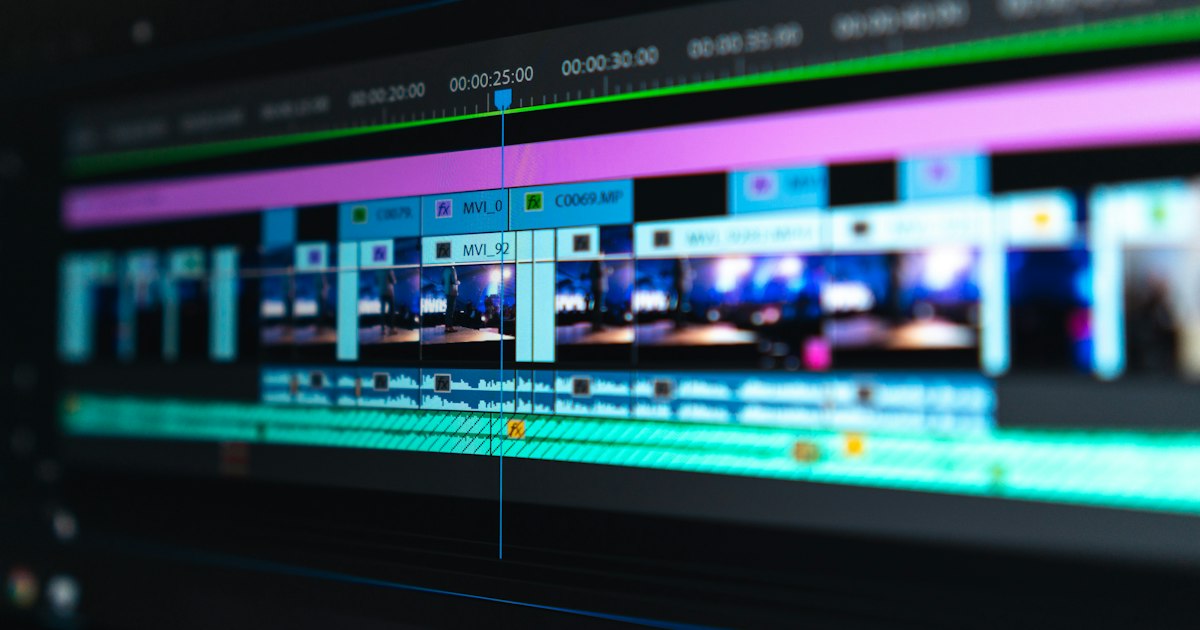
Transcripts bridge the gap between video content and AI understanding.
Transcript best practices:
- Include speaker identification for interviews and multi-person content
- Add timestamps at natural break points
- Format as readable text, not raw captions
- Place the transcript on the same page as the embedded video
- Use heading tags (H2, H3) to structure transcript sections
3. Descriptive Video Metadata
Write metadata that answers questions, not just describes:
| Element | Bad Example | Good Example (GEO-Optimized) |
|---|---|---|
| Title | "Our Work 2026" | "How 96Hz Agency Produces Corporate Videos in Vietnam — Full Process" |
| Description | "Check out our latest reel" | "A behind-the-scenes look at the 3-phase corporate video production process: pre-production planning, on-location filming with cinema cameras, and post-production color grading" |
| Tags | "video, production, cool" | "corporate video production Vietnam, professional filming process, video agency Ho Chi Minh City" |
4. Chapter Markers and Timestamps
AI engines love structured content. YouTube chapters and timestamp markers allow AI to cite specific moments in your video, dramatically increasing the chance of being surfaced in answers.
Format example:
0:00 Introduction — Why corporate video matters
0:45 Phase 1: Pre-production and planning
2:30 Phase 2: On-location filming
4:15 Phase 3: Post-production and delivery
5:30 How to choose a video production partner
5. Contextual Embedding

Surrounding your video with contextual text content makes it more discoverable by AI.
When embedding videos on your website, surround them with relevant, high-quality text content:
- Write a 300+ word article that expands on the video's topic
- Use heading tags that match common search queries
- Include FAQ sections with questions your video answers
- Add internal links to related content on your site
- Place the video above the fold — AI crawlers note content positioning
Platform-Specific GEO Strategies
YouTube (The #2 Search Engine)
- Optimize title for question-based queries
- Write 200+ word descriptions with natural keyword usage
- Add chapters in the description
- Enable auto-captions and correct them for accuracy
- Create playlists around topic clusters
Your Website
- Implement VideoObject schema on every video page
- Publish full transcripts alongside embedded videos
- Submit video sitemaps to Google Search Console
- Allow AI crawlers (GPTBot, ClaudeBot, PerplexityBot) in robots.txt
Social Platforms
- Use descriptive captions (not just emojis)
- Include hashtags that match search queries
- Cross-link to the full video on your website
- Repurpose video content as blog posts with embedded clips
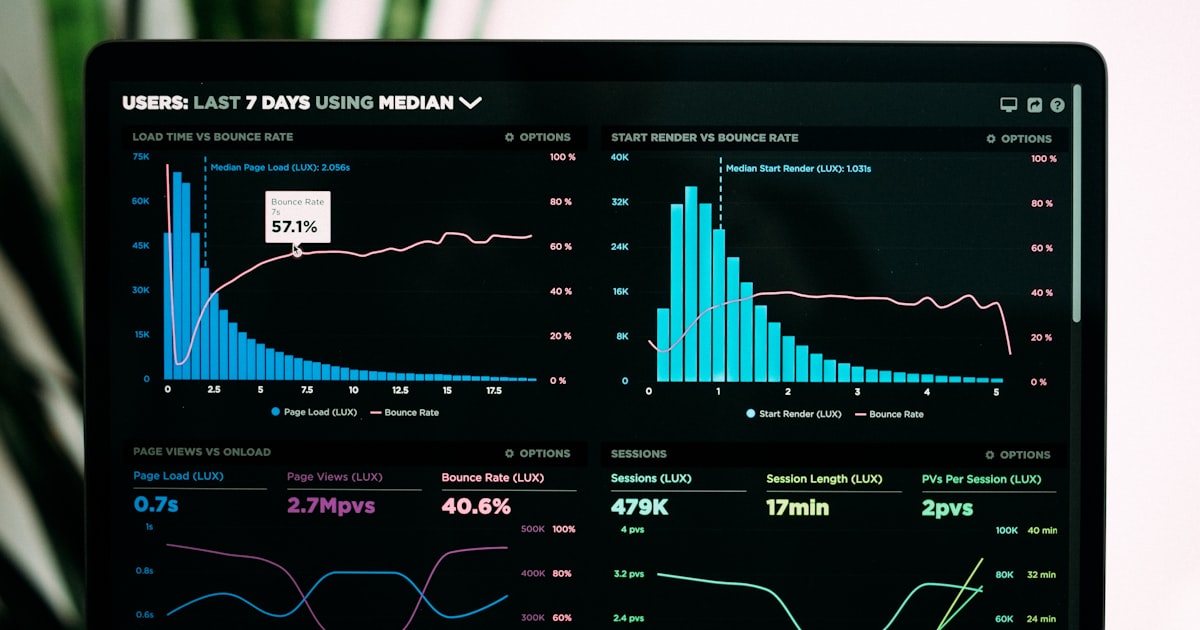
Track your GEO performance across AI search platforms to refine your strategy.
Measuring GEO Success
Track these metrics to measure your video GEO performance:
- AI citation appearances — Search for your brand in ChatGPT, Perplexity, and Google AI Overviews
- Video rich results — Google Search Console → Performance → Search Appearance → Video
- Organic video impressions — YouTube Studio analytics → Traffic Sources → Search
- Website video page traffic — Google Analytics → Pages with embedded video
- Schema validation — Google Rich Results Test for VideoObject markup
GEO Checklist for Every Video You Publish
Use this checklist before publishing any video content:
- ☐ VideoObject schema markup implemented
- ☐ Full transcript published on the video page
- ☐ Question-based title optimized for search intent
- ☐ 200+ word description with natural keywords
- ☐ Chapter markers / timestamps added
- ☐ Contextual text content surrounding the embed
- ☐ FAQ section with questions the video answers
- ☐ Internal links to related content
- ☐ AI crawlers allowed in robots.txt
- ☐ Video sitemap submitted
Need help optimizing your video content for AI search? Contact 96Hz Agency — we combine professional video production with cutting-edge GEO strategy.