Corporate Video Production: From Brief to Delivery
By 96Hz Agency
Published
Corporate video production includes planning, filming and post-production.
Understanding the Corporate Video Production Process
Corporate video production includes planning, filming and post-production. This overview explains what to prepare, who handles each task and what to confirm before delivery.

Creative Brief & Discovery
Every project starts with understanding the why:
- What is the video's primary objective? (Awareness? Conversion? Training?)
- Who is the target audience? (Demographics, psychographics, platforms)
- What is the key message — in one sentence?
- What action should viewers take after watching?
- Where will this video live? (Website hero? Social media? Investor deck?)
Scriptwriting & Storyboarding
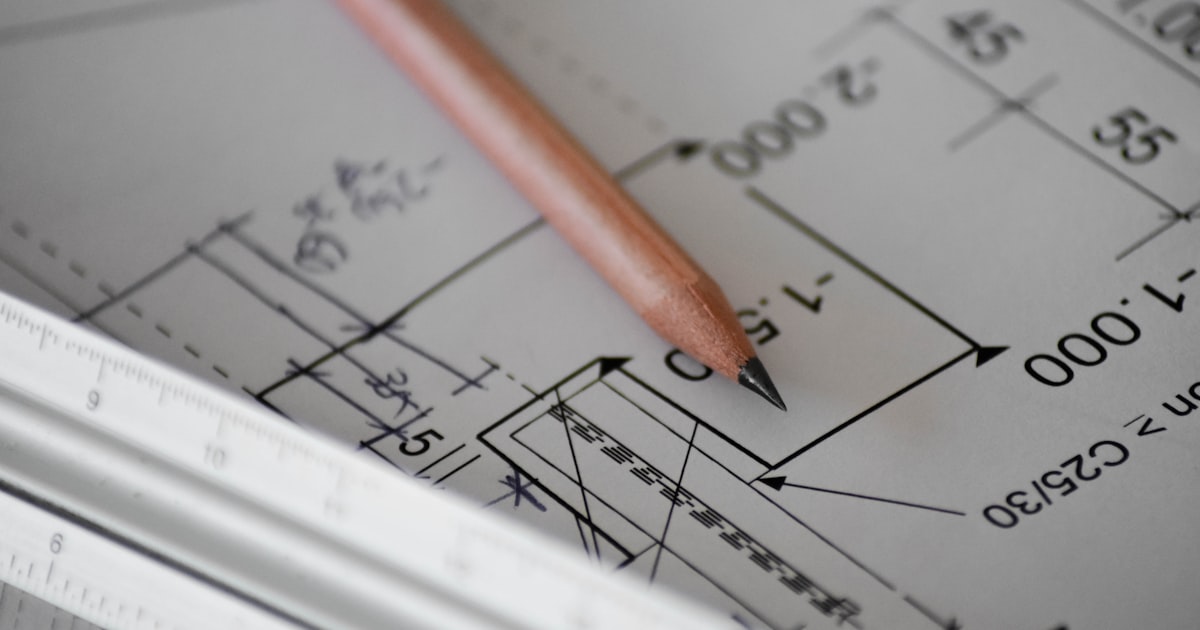
A professional script does more than write dialogue. It maps out:
- Visual narrative — What the viewer sees at every moment
- Audio design — Voiceover, ambient sound, music cues
- Pacing — Scene length, transitions, rhythm
- Call-to-action — The landing that drives business results
Logistics & Planning
The production team handles:
- Location scouting and permits
- Talent casting and wardrobe
- Equipment list and crew assignment
- Shot list and shooting schedule
- Risk assessment and contingency plans
Phase 2: Filming
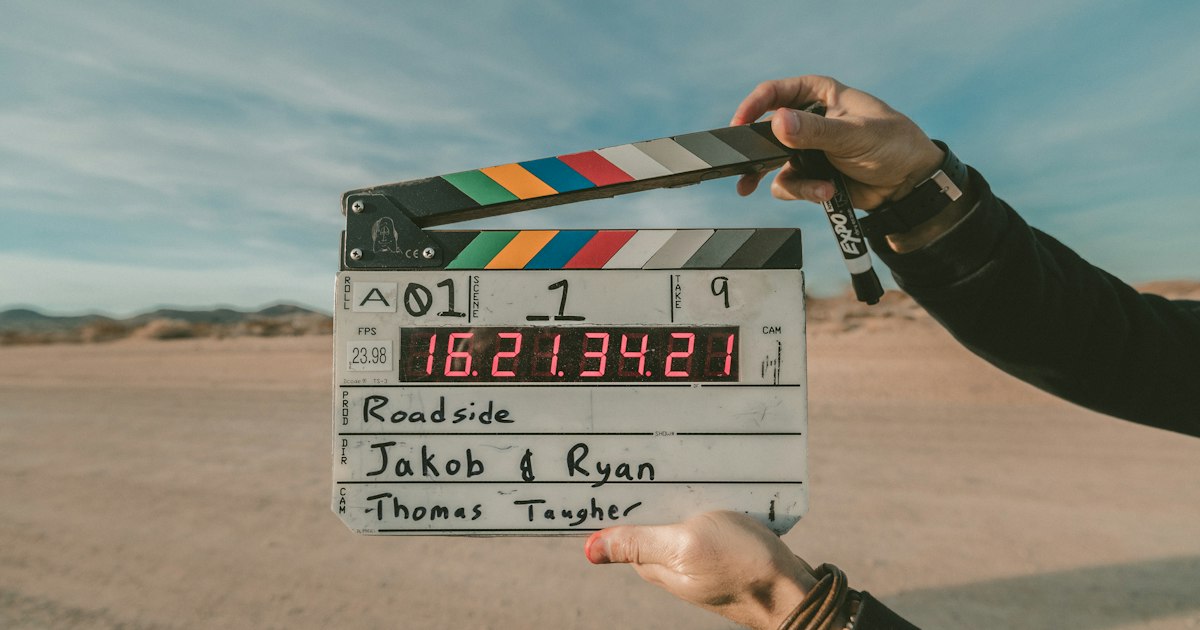
On the shoot, follow the shot list and check the picture and sound before moving on.
What Happens On Set
Role Responsibility DirectorCreative vision, performance direction, shot approval Cinematographer (DP)Camera operation, framing, lens selection, movement GafferLighting design and execution Sound RecordistAudio capture, boom operation, wireless mics ProducerSchedule management, client liaison, problem-solvingChoosing Equipment for the Shoot
- Cinema cameras (RED, ARRI, Blackmagic) — Higher dynamic range, better color science
- Cinema lenses — Smoother bokeh, character, and consistency
- Professional lighting — LED panels, HMIs, diffusion — control over every shadow
- Stabilization — Gimbals, sliders, jibs for fluid motion
- Professional audio — Shotgun mics, wireless lavs, field recorders

Drone & Aerial Cinematography
Consider aerial footage when it adds useful location or scale information. Confirm feasibility and permissions before including it.
- Licensed and insured flight operations
- Cinema-grade aerial cameras (DJI Inspire, Mavic 3 Cine)
- Complex flight paths and choreographed movements
- Raw footage for maximum post-production flexibility
Phase 3: Post-Production — Editing, Color and Sound
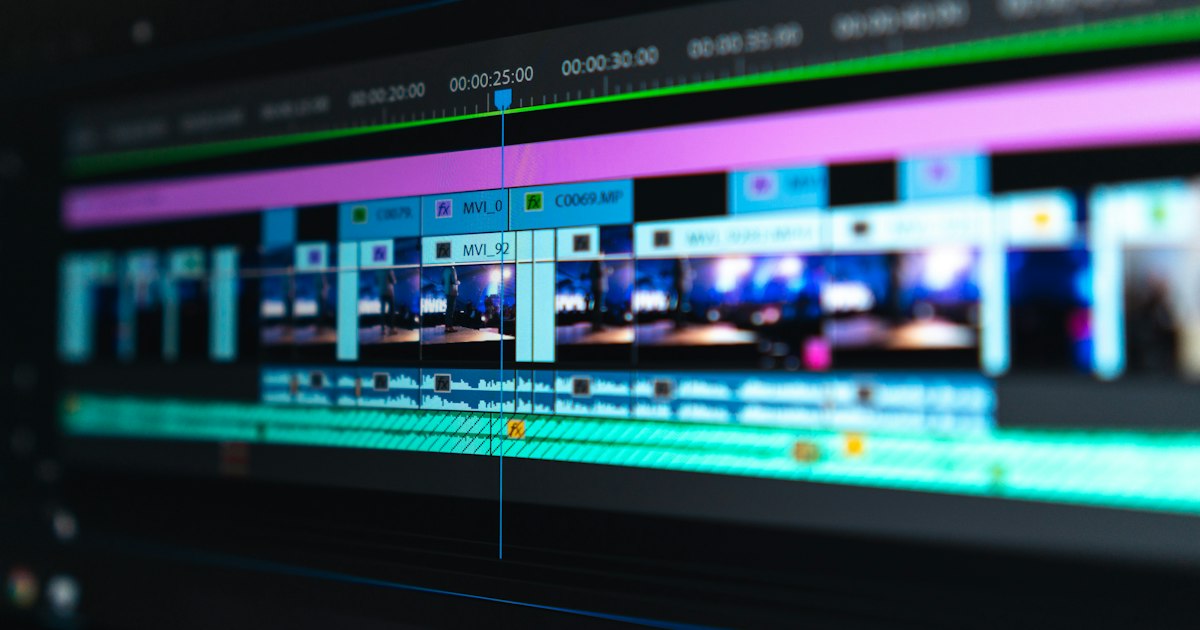
The Post-Production Pipeline
- Assembly edit — Rough arrangement of all footage in story order
- Fine cut — Pacing refined, performances selected, transitions smoothed
- Color grading — Establishing mood, matching shots, creating a cinematic look
- Sound design — Music, sound effects, ambient audio, voiceover mix
- Motion graphics — Titles, lower thirds, data visualizations, branded elements
- Review cycles — Client feedback rounds with timestamped comments
- Final delivery — Multiple formats optimized for each platform
Delivery Formats
A single video gets exported in multiple specifications:
- 4K Master — Full-resolution archive
- 1080p Web — Optimized file size for website hosting
- Vertical 9:16 — TikTok, Instagram Stories, YouTube Shorts
- Square 1:1 — Instagram feed, Facebook
How Long Does Corporate Video Production Take?
Video Type Planning Example Social media clip (30-60s)1-2 weeks Corporate overview (2-3 min)3-4 weeks Brand documentary (5-10 min)6-8 weeks TVC / Commercial (30s)4-6 weeksReady to Start Your Project?
Share your goal, schedule and required deliverables to discuss a production plan. Contact 9,6Hz Agency
Timings are planning examples, not delivery commitments. The schedule depends on scope, locations, versions and feedback time.