Video Production ROI: How to Measure Business Impact
Learn how to calculate video production ROI with proven formulas, KPIs, and real-world examples. Track the business impact of every video you create.
Every business investing in video production eventually asks the same question: "Is this actually working?" Video production ROI (Return on Investment) is the measurable business value generated by your video content relative to what you spent creating it. Understanding how to track and calculate this metric is the difference between guessing and making data-driven decisions that grow your brand.
According to Wyzowl's 2024 State of Video Marketing report, 90% of marketers say video gives them a good ROI — up from just 33% in 2015. But "good ROI" means nothing without numbers behind it. In this guide, we walk you through the exact KPIs, formulas, and frameworks to measure the business impact of every video you produce.
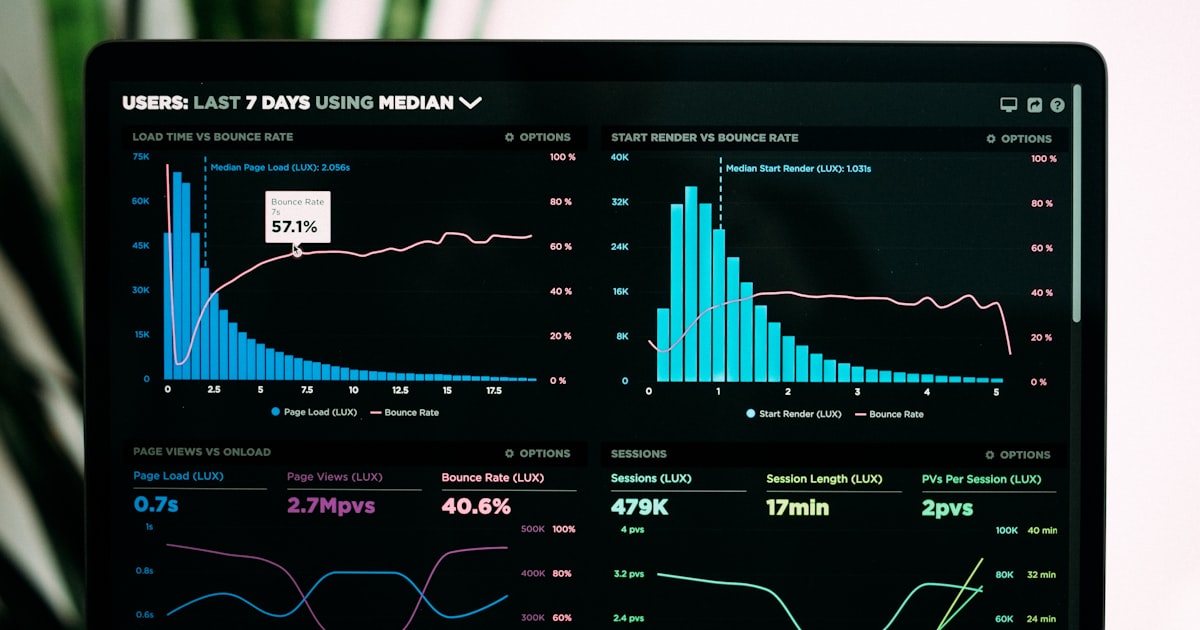
Tracking the right metrics is the foundation of understanding your video production ROI
What Is Video Production ROI and Why Does It Matter?
Video production ROI is the net profit (or value) generated by video content divided by the total cost of producing and distributing that content. It matters because video is often one of the largest line items in a marketing budget. A single TVC can cost anywhere from $5,000 to $500,000, while even a short social media video requires $500-$3,000 in production costs. Without measuring returns, you are flying blind.
ROI measurement also helps you:
- Justify budgets to leadership and stakeholders
- Optimize future content by doubling down on what works
- Compare channels — is YouTube outperforming Instagram Reels for your brand?
- Negotiate with vendors using performance data from previous campaigns
- Set realistic expectations for each video type and campaign
How Do You Calculate Video Production ROI?
The basic formula for video marketing ROI is straightforward:
Video ROI = (Revenue Generated - Total Video Cost) / Total Video Cost x 100%
For example, if you spent $10,000 producing a product video that directly generated $45,000 in sales:
ROI = ($45,000 - $10,000) / $10,000 x 100% = 350%
That means for every dollar spent, you earned $3.50 back in profit. But the reality is more nuanced. Not every video drives direct sales. Brand awareness videos, training content, and recruitment videos deliver value that is harder to quantify. That is why you need a multi-metric approach.

A multi-metric approach captures both direct revenue and indirect brand value
Total Video Cost Breakdown
Before calculating ROI, account for ALL costs:
- Pre-production: Concept development, scripting, storyboarding, location scouting
- Production: Crew, equipment, talent, travel, permits
- Post-production: Editing, color grading, sound design, motion graphics, revisions
- Distribution: Paid media spend, platform fees, hosting costs
- Internal time: Hours your team spent managing the project (often overlooked)
Which KPIs Should You Track for Video Success?
Measuring video success requires tracking KPIs across four categories: awareness, engagement, conversion, and retention. The right mix depends on your video's objective.
Awareness KPIs
- View count: Total plays across all platforms
- Reach: Unique viewers who saw your video
- Impressions: How many times the video thumbnail appeared in feeds
- Brand search lift: Increase in branded searches during and after the campaign
Engagement KPIs
- Watch time / Average view duration: How much of the video people actually watch
- Engagement rate: Likes + comments + shares / total views
- Click-through rate (CTR): Percentage of viewers who clicked your CTA
- Social shares: Organic amplification beyond paid reach
Conversion KPIs
- Leads generated: Form fills, demo requests, or contact inquiries attributed to video
- Cost per lead (CPL): Total video cost / leads generated
- Conversion rate: Percentage of video viewers who completed a desired action
- Sales revenue: Direct revenue tracked via UTM parameters or promo codes
Retention KPIs
- Repeat view rate: How often viewers return to watch again
- Subscriber growth: Net new subscribers attributed to video content
- Customer lifetime value (CLV) impact: Do customers who engage with video spend more over time?

Cross-functional teams should review video KPIs together to align on what success looks like
Which Metrics Matter Most by Video Type?
Not all videos serve the same purpose. Here is a comparison of the most important metrics based on video type:
| Video Type | Primary Goal | Key Metrics | Typical ROI Timeline |
|---|---|---|---|
| TVC / Brand Film | Brand awareness | Reach, brand search lift, ad recall | 3-6 months |
| Product Video | Sales conversion | Conversion rate, revenue, add-to-cart rate | 1-3 months |
| Interview / Testimonial | Trust building | Watch time, lead quality, close rate lift | 1-4 months |
| Social Media Short | Engagement | Shares, engagement rate, follower growth | 1-4 weeks |
| Training / Internal | Efficiency gains | Time saved, completion rate, error reduction | 1-2 months |
| Event Coverage | Documentation + PR | Media pickups, social reach, attendee satisfaction | 2-8 weeks |
How Can You Track Video ROI in Practice?
Theory is great, but execution is what matters. Here is a practical framework for tracking video ROI at every stage:
Step 1: Define Success Before Production
Before a single camera rolls, agree on what success looks like. A brand TVC aiming for awareness should not be judged solely on sales. Write down your primary KPI, target number, and measurement timeline.
Step 2: Set Up Tracking Infrastructure
- UTM parameters on all video links (source, medium, campaign, content)
- Dedicated landing pages for video campaigns with conversion pixels
- Promo codes unique to each video for direct attribution
- Google Analytics 4 events for video plays, completions, and CTA clicks
- CRM tagging to track leads from video touchpoints through the sales funnel
Step 3: Measure at the Right Intervals
Do not judge a brand video after 48 hours. Different video types have different ROI timelines. Check performance at 1 week, 1 month, and 3 months post-launch to capture the full picture.
Step 4: Calculate Both Hard and Soft ROI
Hard ROI includes direct revenue, leads, and cost savings. Soft ROI covers brand sentiment improvement, employee morale boost (for internal videos), and media coverage value. Both matter.

Presenting clear ROI data builds confidence and secures future video budgets
What Do Real-World Video ROI Results Look Like?
Let us look at three scenarios that illustrate different approaches to measuring video ROI:
Case Study 1: E-Commerce Product Videos
A fashion brand invested $8,000 in producing 12 product videos for their online store. Within 90 days, product pages with video saw a 73% increase in conversion rate compared to image-only pages. The videos generated an additional $62,000 in revenue.
ROI = ($62,000 - $8,000) / $8,000 x 100% = 675%
Case Study 2: Corporate Interview Series
A B2B software company produced a 6-part interview series featuring industry leaders for $15,000. Over 6 months, the series generated 340 qualified leads, 28 of which converted to customers worth $420,000 in annual contract value.
ROI = ($420,000 - $15,000) / $15,000 x 100% = 2,700%
Case Study 3: Brand Awareness TVC
A Vietnamese consumer brand spent $35,000 on a 60-second TVC with a 3-month media buy. Brand recognition surveys showed a 22% lift in unaided recall. Website traffic increased 45% during the campaign. While direct ROI attribution was harder, the estimated media value was $180,000.
Estimated ROI = ($180,000 - $35,000) / $35,000 x 100% = 414%
What Are the Most Common Mistakes in Measuring Video ROI?
Even experienced marketers make these errors when measuring video performance:
- Obsessing over vanity metrics: View counts alone mean nothing. A video with 10,000 views and 500 leads beats a viral video with 1 million views and zero conversions.
- Ignoring the full funnel: A customer might watch your brand video, then see a product video weeks later, then convert via a retargeting ad. Multi-touch attribution captures this journey.
- Measuring too early: Brand videos need 3-6 months to show full impact. Pulling the plug after 2 weeks is a costly mistake.
- Forgetting distribution costs: A $5,000 video with $50,000 in ad spend has a $55,000 total cost, not $5,000.
- Not comparing against alternatives: Video ROI should be compared to the ROI of other content types (blog posts, static ads, podcasts) to justify the investment.

A structured measurement plan prevents common ROI tracking mistakes
Which Tools Help Measure Video Analytics and ROI?
You do not need enterprise-level software to start tracking video ROI. Here are the essential tools:
- Google Analytics 4: Free. Track video-driven traffic, conversions, and user behavior flows.
- YouTube Analytics: Built-in metrics for watch time, audience retention, traffic sources, and revenue.
- Meta Business Suite: Insights for Facebook and Instagram video performance including reach, engagement, and ad conversions.
- Wistia / Vidyard: Business-focused video hosting with heatmaps, engagement graphs, and CRM integrations.
- HubSpot / Salesforce: CRM platforms that track video touchpoints in the lead-to-customer journey.
- UTM.io: Centralized UTM parameter management to keep tracking consistent across campaigns.
Frequently Asked Questions About Video Production ROI
What is a good ROI for video marketing?
A good video marketing ROI varies by industry and video type, but most marketers consider anything above 100% (2x return) to be positive. High-performing product videos often achieve 300-500% ROI, while brand awareness videos may show 50-200% when measured through estimated media value and brand lift studies.
How long does it take to see ROI from video content?
Social media videos can show measurable engagement within days. Product videos typically demonstrate ROI within 1-3 months. Brand awareness and thought leadership content may take 3-6 months to show full impact through brand lift and increased organic traffic.
Can you measure ROI for videos that do not directly sell?
Yes. For non-sales videos, measure proxy metrics: training videos save onboarding time (calculate cost savings), recruitment videos reduce hiring costs, and brand videos increase aided recall and organic search volume. Assign dollar values to these outcomes for a complete ROI picture.
How do you attribute sales to a specific video?
Use unique UTM parameters, dedicated landing pages, promo codes, and CRM tracking. For multi-touch journeys, platforms like Google Analytics 4 offer data-driven attribution models that distribute credit across all touchpoints, including video.
Is video production worth the investment for small businesses?
Absolutely. Small businesses often see the highest percentage ROI because their baseline is low. A $2,000 testimonial video that generates 10 new customers at $500 each delivers a 150% ROI. Start with high-conversion formats like testimonials and product demos, then scale up to brand content as revenue grows.
Ready to Maximize Your Video Production ROI?
Measuring video ROI is not a one-time exercise — it is an ongoing practice that sharpens your strategy with every campaign. Start by defining clear objectives, set up proper tracking before production begins, and give each video type enough time to demonstrate its full value.
At 96Hz Agency, we help businesses in Vietnam and beyond create video content that delivers measurable results. From television commercials to interview series, every project we take on is built with your business goals in mind. Get in touch with our team to discuss how we can make your next video investment count.