Product Videos: Choosing Content and Camera Angles
By 9,6Hz Agency
Published
Updated
A product video should answer what buyers need to see: how it works, its size, details and use.
A product video should answer what buyers need to see: how it works, its size, details and use. Choose the shots and format around those questions.

The difference between a product video that converts and one that doesn't lies in understanding the psychology of online shopping. When customers can't physically touch or examine a product, video becomes their primary tool for evaluation. A well-crafted product video doesn't just show—it sells by addressing concerns, building trust, and creating emotional connections.
What Does Video Add to Product Photos?
Use video to show details that a buyer cannot assess from a still image alone: movement, scale and the product in use.

Product Demonstration Videos
Demonstration videos show your product in action, addressing the "how does it work?" question that every potential customer has. These videos work exceptionally well for:
- Technology products and gadgets
- Kitchen appliances and tools
- Software and mobile applications
- Beauty and skincare products
- Fitness equipment and accessories
The key to effective demonstration videos is focusing on benefits, not just features. Instead of simply showing what your product does, show how it solves problems or improves the customer's life.
360-Degree Product Tours
These immersive videos replace the physical examination process by allowing viewers to see every angle of your product. Fashion brands, jewelry companies, and electronics manufacturers see particularly strong results with 360-degree videos, as they address the primary concern of online shopping: uncertainty about appearance and quality.
Unboxing and First Impressions
Unboxing videos tap into the psychology of anticipation and discovery. They're particularly effective for:
- Subscription box services
- Premium or luxury products
- Products with unique packaging
- Gift items and collectibles
Lifestyle and Context Videos
Choose shots that make product use and details clear.
Video Type Use Case Production Complexity Demonstration Tech, Appliances, Tools Medium 360-Degree Tour Fashion, Jewelry, Electronics High Unboxing Luxury, Subscription, Gifts Low Lifestyle Home, Fashion, Recreation Medium-High Comparison Competitive Markets Medium
Lighting a Product Video
Lighting makes or breaks product videos. Poor lighting can make even premium products look cheap, while professional lighting elevates perceived value. The goal is to eliminate shadows that hide details while creating enough contrast to show texture and dimension.
Key lighting setups for product videos:
- Three-point lighting: Key light, fill light, and backlight for dimensional appearance
- Soft box diffusion: Eliminates harsh shadows and creates even illumination
- Keep product color consistent across shots and compare it with the actual item.
- Practical lighting: Use LED panels for consistent, adjustable lighting
Camera Angles for Product Details
Plan shots for the product’s overall shape, details, use and scale.
- Hero shot: Wide establishing shot showing the complete product
- Detail shots: Close-ups highlighting texture, quality, and craftsmanship
- Action shots: Product in use from user's perspective
- Scale shots: Showing size relationship with familiar objects
- Feature callouts: Focused shots of unique selling points
Audio Considerations
While product videos often work without narration, audio elements still matter. Consider:
- Natural product sounds (clicks, textures, ambient noise)
- Background music that matches brand personality
- Clear narration if explaining complex features
- Consistent audio levels throughout the video
The Psychology of Product Video Engagement
The "Wow Factor" Elements:
- Unexpected functionality: Products that do more than expected
- Problem-solution clarity: Obvious pain point followed by instant relief
- Before-and-after transformations: Dramatic visual improvements
- Time-lapse efficiency: Complex tasks made simple and fast
- Aesthetic appeal: Satisfying to watch regardless of purchase intent
Ways to Structure a Product Story
The AIDA Framework for Product Videos:
- Attention: Hook viewers in the first 3 seconds with a compelling visual or question
- Interest: Show the product solving a relatable problem
- Desire: Demonstrate benefits and lifestyle improvements
- Action: Clear next steps and compelling call-to-action
The Problem-Agitation-Solution (PAS) Structure:
- Start with a common frustration your audience experiences
- Amplify the inconvenience or cost of not solving it
- Present your product as the elegant solution
Platform-Specific Optimization
Different platforms require different video approaches for maximum impact:
Platform Example Length Format Key Success Factor Instagram/TikTok 15-30 seconds Vertical (9:16) Immediate visual impact YouTube 2-5 minutes Horizontal (16:9) Detailed demonstration Website/E-commerce 30-90 seconds Square (1:1) or 16:9 Feature highlights LinkedIn 1-3 minutes Horizontal (16:9) Professional value proposition
Technical Mistakes to Avoid
Check reflections, shadows and color against the real product. The aim is to show the details buyers need without misrepresenting the item.
Audio issues can destroy an otherwise excellent product video. Background noise, inconsistent levels, or distracting music pulls attention away from the product itself.
Strategic Mistakes That Hurt Sales
- Focusing on features instead of benefits: Customers buy solutions, not specifications
- Making videos too long: Attention spans are shorter than ever; respect your audience's time
- Weak or missing call-to-action: Don't assume viewers know what to do next
- Generic approach: Every product has unique selling points; highlight yours
Post-Production Pitfalls
Over-editing can make product videos feel artificial and disconnected from reality. Heavy filters, excessive motion graphics, or dramatic color grading might look impressive but can misrepresent your product's actual appearance. The goal is enhancement, not transformation.
Key Performance Indicators (KPIs)
Engagement Metrics:
- Social shares: Organic sharing indicates compelling content
- Comment quality: Positive feedback and product questions
Conversion Metrics:
- Video-to-purchase rate: Direct conversions from video views
- Cart addition rate: Products added after video viewing
- Return rate reduction: Fewer returns indicate accurate expectations
- Customer lifetime value: Long-term impact on customer relationships
A/B Testing for Optimization
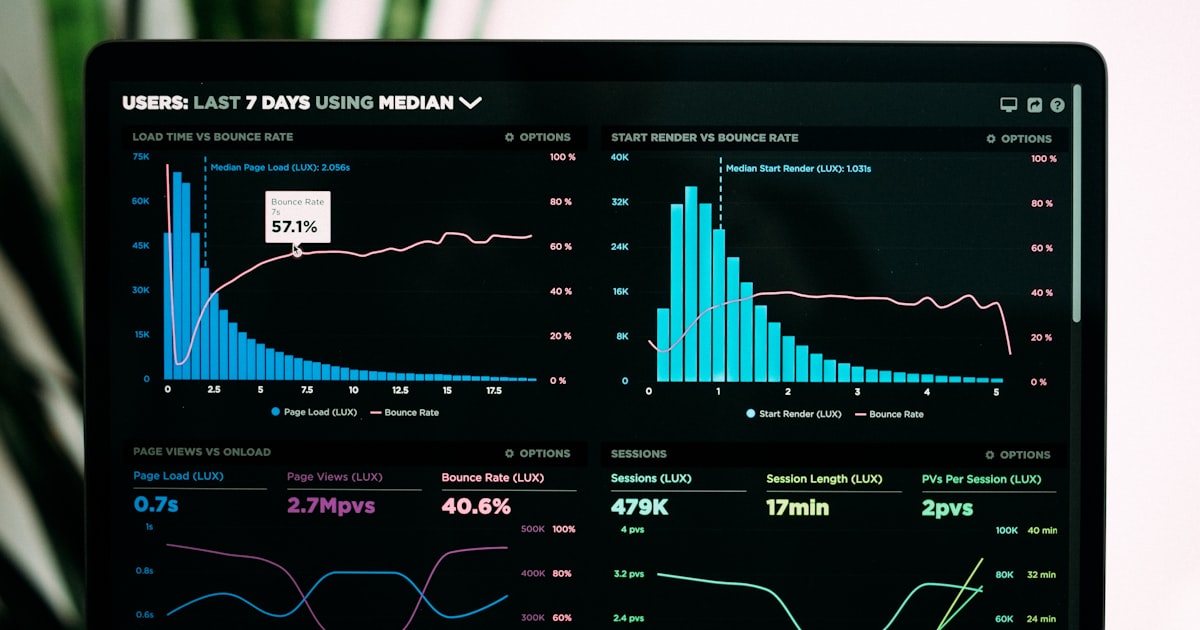
Systematic testing reveals what resonates with your specific audience. Test variables include:
- Video length (30s vs 60s vs 90s)
- Opening hooks (question vs demonstration vs problem statement)
- Music style (upbeat vs calm vs no music)
- Call-to-action placement (beginning vs end vs throughout)
- Thumbnail images for social media and YouTube
Product Video Checklist
Pre-Production Planning:
- ☐ Define target audience and their primary concerns
- ☐ Identify key product benefits (not just features)
- ☐ Plan video structure and storytelling approach
- ☐ Scout locations and prepare product samples
- ☐ Create shot list with specific angles and movements
Production Excellence:
- ☐ Set up professional three-point lighting
- ☐ Ensure consistent color temperature throughout
- ☐ Capture multiple angles and detail shots
- ☐ Record clean audio or plan for post-production
- ☐ Shoot additional footage for social media formats
Post-Production and Distribution:
- ☐ Color grade for consistency across devices
- ☐ Add subtle motion graphics to highlight features
- ☐ Create versions optimized for each platform
- ☐ Include clear call-to-action and contact information
- ☐ Test video performance and gather feedback
Share your goal, schedule and required deliverables to discuss a production plan. Contact 9,6Hz Agency
Before planning your product shoot, review our commercial portfolio for reference formats and our equipment list to understand how lenses, lighting, and support gear shape the final look.