Healthcare TVC and brand campaign
Scripted TVCs for clinics, hospitals, dental brands and health campaigns, for broadcast or digital channels.
Healthcare & dental video · Hanoi
96Hz Agency produces healthcare and dental videos in Hanoi: TVCs, patient stories, clinician interviews, educational films and social content.
Before filming, we confirm access, documented permissions, source material, review stages, channels and deliverables with the client.
Share a healthcare video brief
Choose the format for your audience. Confirm the sources, permissions and review needed for each.
Scripted TVCs for clinics, hospitals, dental brands and health campaigns, for broadcast or digital channels.
A person’s experience, with interview approach, consent, privacy limits and intended use agreed before recording.
Interviews with clinicians, leaders and experts. Assign a reviewer for questions, terminology and supporting footage.
Explain software, equipment, workflows or services using approved sources, without adding unsupported clinical or performance claims.
Expert answers, service explainers and recurring social videos based on reviewed topics and a repeatable filming setup.
Case studies, documentaries, treatment records and educational episodes, with context, source review and an editorial structure.
Agree the creative plan, factual review and permissions at each stage.
Agree who the content is for, what it should help them understand or do, where it will appear, and who owns clinical, brand, privacy, and final approval.
List the approved source material, contributors, consent status, facility access, restricted areas, filming protocols, and any information that must not be recorded or published.
Develop the treatment, questions, script, storyboard, shot plan, locations, schedule, and deliverables, then record the required approvals before filming.
Organise image, sound, lighting, crew movement, contributor care, and location requirements around the approved plan and the operating conditions of the site.
Edit the story, add agreed graphics, captions or subtitles, route the cut through the named reviewers, then deliver only the approved versions and formats.
The commissioning organisation confirms medical facts, permissions and publication approval.
Send the information below to help us plan and quote. A finished script is not required.
View our production work. These films do not establish clinical outcomes or permission for other uses.
A brief can be developed into a TVC or brand film, patient or customer story, clinician interview, facility or service film, health-education series, recruitment video, dental or medtech product story, case study, long-form episode, or a planned set of cutdowns. The format follows the audience, intended use, source material, and review requirements.
It can be discussed when the commissioning organisation confirms written location access, permitted areas and times, site protocols, contributors, privacy boundaries, and any activities that cannot be interrupted or recorded. The production plan is then built around those confirmed conditions.
The commissioning organisation should define and document the permission required for each contributor and intended use. Before filming, the project plan should record consent status, privacy restrictions, sensitive information to exclude, approved channels, and the people authorised to approve publication. Production does not replace the organisation’s own legal or clinical review.
The client should appoint a qualified clinical or subject-matter reviewer and provide the approved sources. Scripts, on-screen text, product demonstrations, interview statements, disclaimers, and relevant edits can then be routed to that reviewer before final approval.
That can be assessed only after the client confirms documented permission, the exact context of use, supporting material, review requirements, and any necessary qualification or disclaimer. The production scope should not add or strengthen a treatment, safety, or performance claim that the approved sources do not support.
Cost depends on the agreed scope: planning and source review, contributors, consent coordination, locations and access, filming days, crew and equipment, art or demonstration needs, post-production, captions or languages, review stages, number of versions, and delivery formats. A quotation is prepared after those variables are clear.
Yes, when the channel mix is defined before filming. The shot plan and post-production scope can account for a primary film, website edits, vertical social cutdowns, expert clips, captions, subtitles, language versions, stills, and other approved files included in the brief.
Planning a healthcare project?
Share your audience, sources, permissions, reviewers and deadline. We will discuss the production plan and quotation.

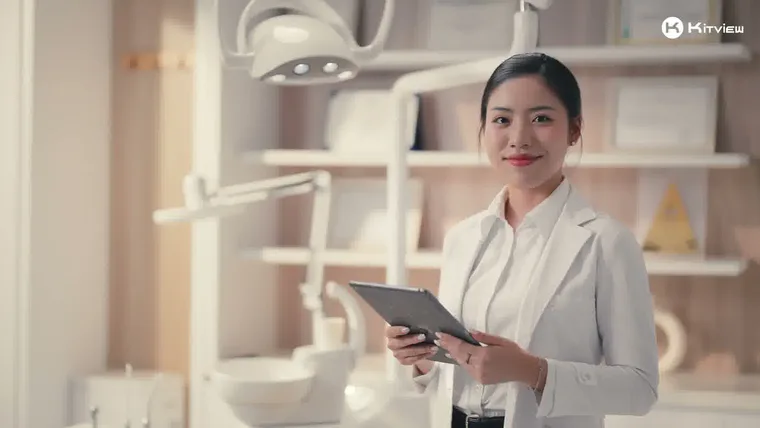
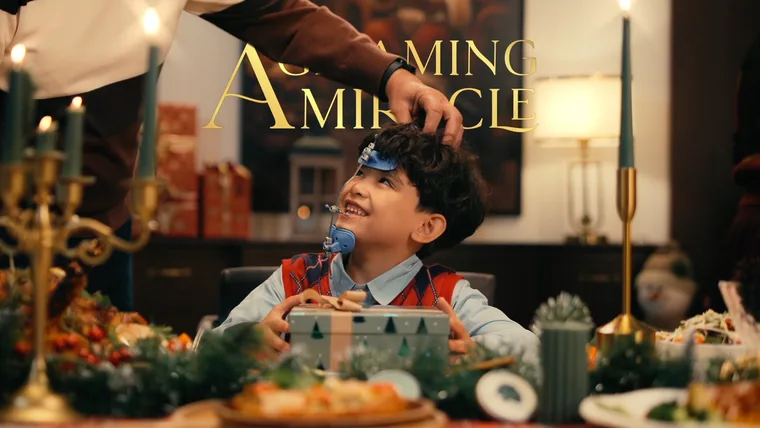
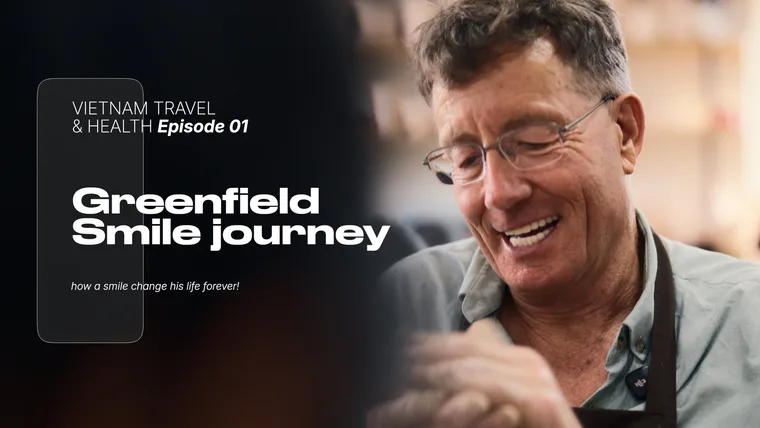
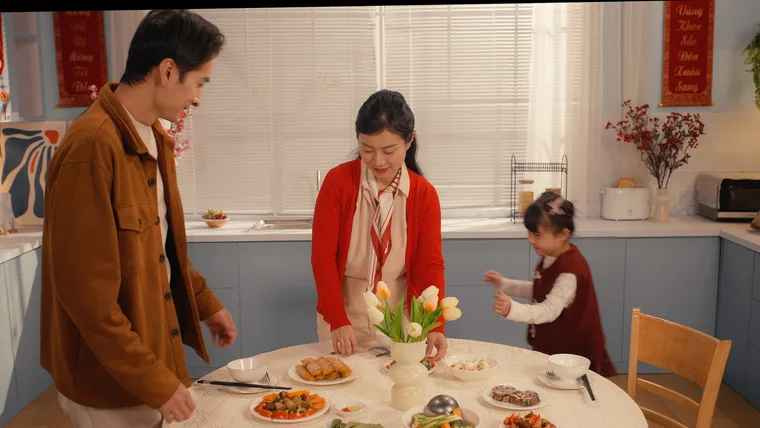
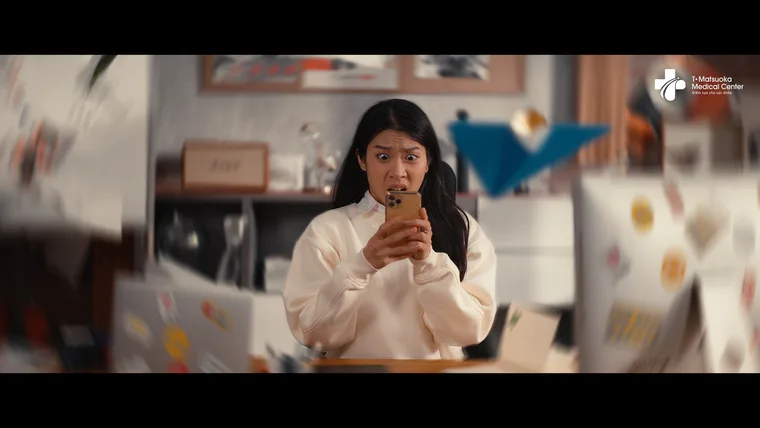
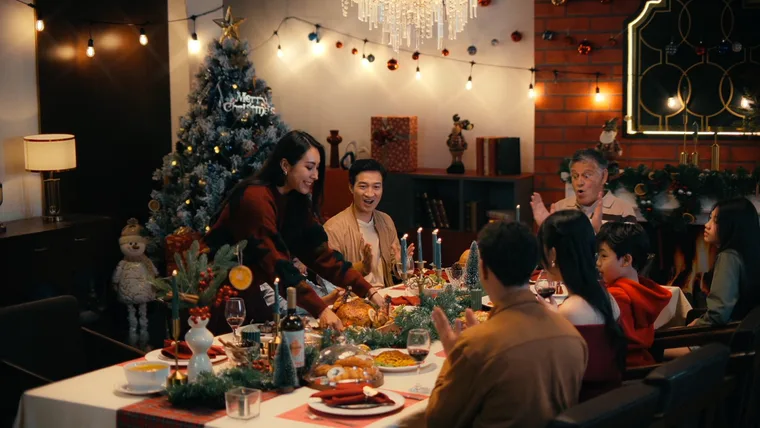
A T-Matsouka Medical Center TVC about workplace stress and the value of a health check-up, told through an office team.
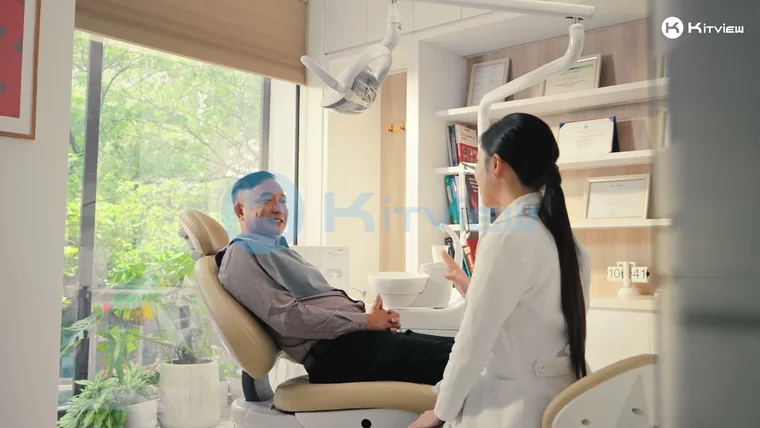
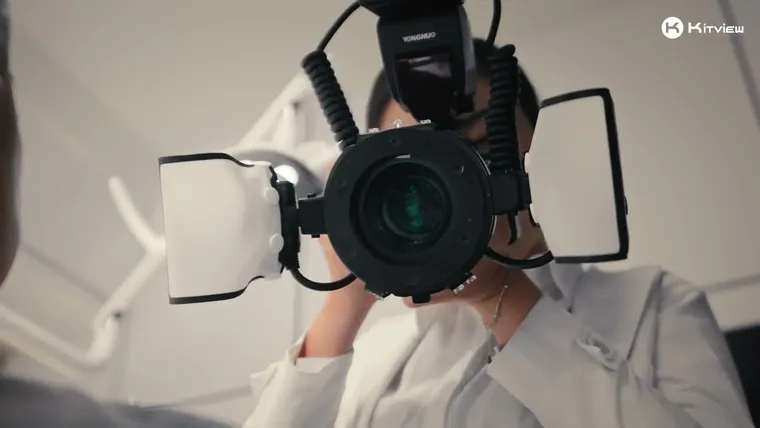
View project: Đóng Stress - Mở StrongA Kitview TVC showing how cloud-based dental records keep photos and notes at hand across the clinic, on every device and at home.
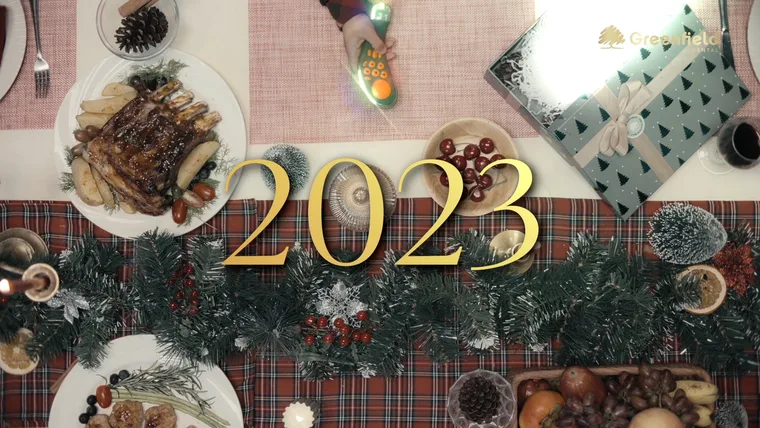
View project: Kitview - Cloud Dental Records, ReimaginedA music-led Greenfield Dental TVC following teenagers with different passions — science, basketball, drums, study — who all end on the same confident smile.
View project: Join Our Club - Wake Up The ChampionA Fujifilm director speaks at Nura about AI-supported health check-ups and the omotenashi hospitality he sees in the centre.
View project: Fujifilm Director at Nura