Documentary and field stories
Build a clear narrative from real people, places, activities, and available evidence, with the access and filming conditions confirmed during pre-production.
9,6Hz Agency plans and produces documentary, interview, educational, and long-form YouTube videos from Hanoi. The work begins with the subject, intended audience, publishing context, and material that is realistically available, then moves into a production plan for the agreed film or series.
A project can include development, pre-production, filming, editing, review, and delivery when those stages are included in the brief. The crew plan, number of filming days, episode structure, graphics, captions, language versions, and delivery specifications are confirmed against the actual scope rather than assumed from a fixed package.
YouTube work is most useful when the brief distinguishes the communication goal from the format. A founder conversation, an expert interview, a field documentary, and a repeatable educational series each need different research, access, coverage, sound, and editorial decisions. The first discussion therefore focuses on what the audience should understand, which people and locations can be filmed, and what one finished episode must contain.
Build a clear narrative from real people, places, activities, and available evidence, with the access and filming conditions confirmed during pre-production.
Plan contributors, questions, visual coverage, sound, and supporting material so the edit can carry more than a single uninterrupted talking head.
Organize specialist knowledge into an understandable sequence, then identify the demonstrations, graphics, references, or examples required by the brief.
Define a consistent episode structure, production rhythm, review path, and delivery specification that can be applied to the agreed number of videos.
The exact workflow changes with the project, but a production brief normally moves through these checkpoints before final delivery.
Confirm the subject, audience, intended use, episode length, number of deliverables, available contributors, locations, references, and target deadline.
Develop the treatment or outline, interview approach, schedule, shot requirements, crew plan, equipment, permissions, and logistics needed for the approved scope.
Record the agreed interviews, activities, environments, details, and sound while keeping the planned edit and required versions in view.
Edit the story, review the agreed cuts, complete color and sound work, add approved graphics or captions, and export the specified final files.
A useful first brief names the subject, audience, purpose, intended publishing date, preferred episode length, number of videos, filming locations, people who may appear, existing footage or brand assets, language and caption needs, aspect ratios, review owner, and final delivery deadline. It should also identify any access, permission, confidentiality, or technical constraints. When some details are unknown, mark them as open decisions; that is more useful than treating an assumption as an approved requirement.
These projects are read from active public YouTube records with complete English project copy.
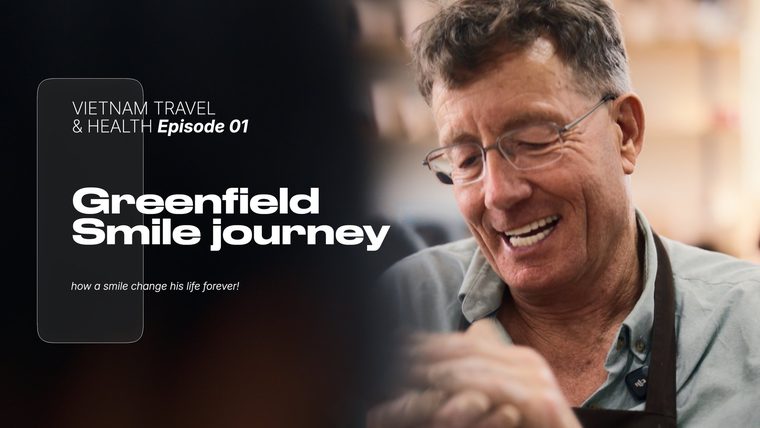
Keith, from New Zealand, flew to Vietnam for a smile makeover at Greenfield Dental and met the woman who became his Vietnamese wife. Back in Hanoi for a 9 a.m. check-up, he spends the day at Hoa Lo Prison, where he talks about the Vietnam War, the guillotine exhibit and how New Zealanders opposed it, then at a vegan lunch — he has been vegan for over thirty years. He describes how the treatment restored his confidence and praises Rachel’s fast, informative emails before he arrived.

Built around Mobile Legends: Bang Bang’s 10-year milestone, ‘Lên Kèo’ stays close to real relationships and routines: friends who meet online every night at ten, twin sisters who grew up sharing one phone, and a promise carried for eight years. The three films combine documentary interviews, travel observation, archive, screen recordings and city sound; fourteen vertical stories extend the same material into a mobile-first collection.
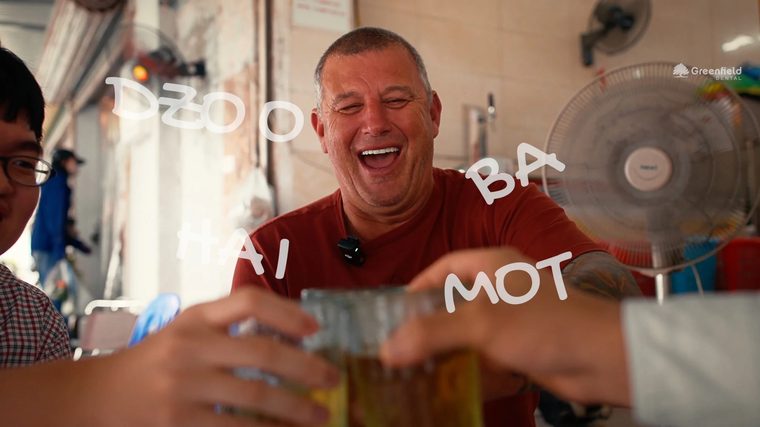
David Carver works with cranes in Australia. Part 1 is a long sit-down with Tyler: loose and missing teeth, covering his mouth when he laughed, crying when he first saw his new smile after ten years, and what it means to eat and talk normally again. He compares the $70,000 he was quoted at home with the cost here. In Part 2 he leaves the interview chair for a day out in Hanoi with Tyler — a car ride, a photo booth, street food and a beer toast, tea in a café — and looks back on being petrified to arrive alone, collecting quotes from around the world six months earlier, and how Annie and the whole Greenfield crew earned his trust.
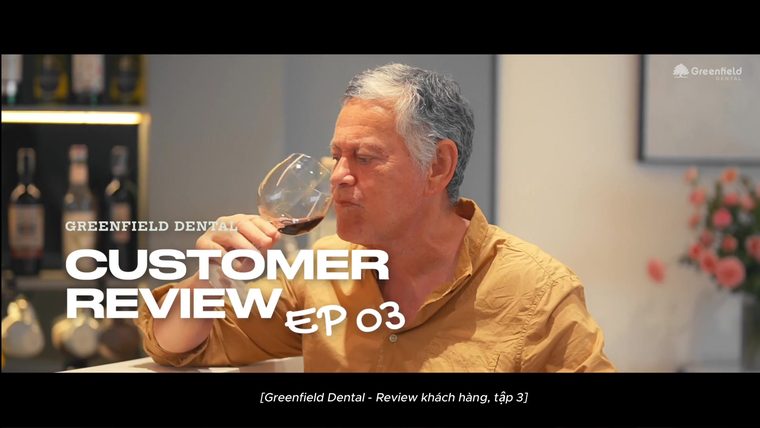
In this episode Jack Perry, 70, retired and once a resident of Vietnam, explains why he came back: his son’s recommendation, a quote of 36,000 in Australia and long waits for appointments. He chose All-on-Six for stability, wants healthy teeth for years of travel and eating, and praises the airport pick-up and step-by-step communication from the Greenfield team.
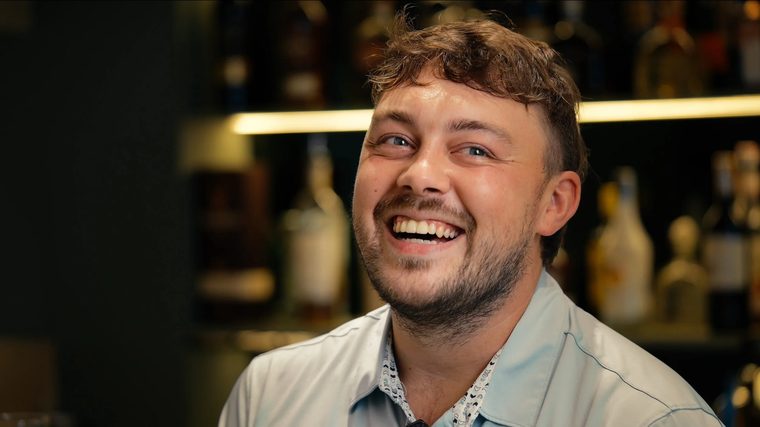
In the featured breakdown, Dr Kate explains the case of Jack, a rugby player whose front tooth was driven back in a tackle, fracturing the top of his jaw. She describes his loose and missing front teeth and cross bite, then the two-phase plan: braces, removal of the loose tooth and two implants with a bone graft, followed by restoration after six months and finished braces after nine. Jack adds his own account of the injury and of the care he received.
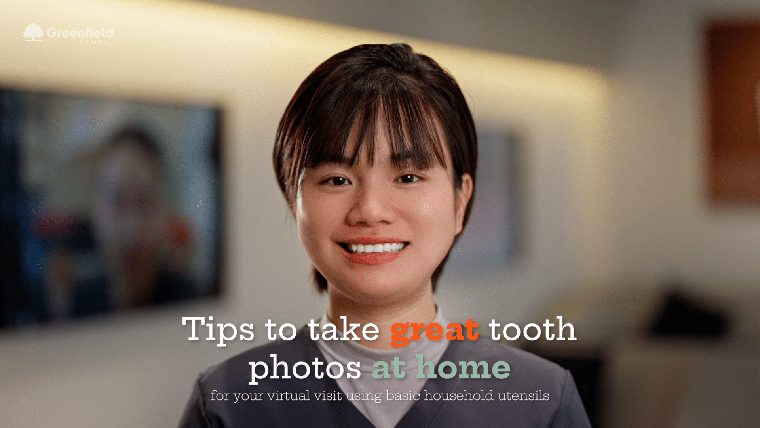
This tutorial video guides patients on how to take clear intraoral photos at home using simple household items. By demonstrating the correct angles and basic techniques, the video helps patients prepare accurate images for virtual consultations, allowing Greenfield Dental to provide informed advice and preliminary treatment guidance remotely.
Share the known subject, audience, episode plan, access, schedule, and deliverables so the team can respond with a scope-based production approach and quotation.