Video Production Budget: Plan Costs for Maximum ROI
Learn how to build a video production budget that improves ROI, controls hidden costs, and allocates spend across pre-production, shoot, and post.
Video Production Budget: How to Plan and Allocate for Maximum Impact
Did you know that 92% of video marketing campaigns fail to achieve their ROI goals due to poor budget planning? According to recent industry data, businesses that properly allocate their video production budgets see an average ROI increase of 320% compared to those who don't.
Creating an effective video production budget isn't just about knowing how much to spend—it's about understanding where every dollar should go to maximize impact. Whether you're planning a corporate video, commercial campaign, or brand documentary, strategic budget allocation can make the difference between a project that delivers exceptional results and one that drains resources without meaningful returns.

Strategic budget planning is the foundation of successful video production campaigns
What Should Your Video Production Budget Include?
A comprehensive video production budget encompasses three primary phases: pre-production, production, and post-production. Industry research shows that the most successful campaigns allocate approximately 25% to pre-production, 45% to production, and 30% to post-production.
Pre-Production Costs (25% of budget)
- Script development and storyboarding: 5-8% of total budget
- Location scouting and permits: 3-5% of total budget
- Casting and talent fees: 8-10% of total budget
- Equipment planning and preparation: 2-3% of total budget
- Production coordination: 5-7% of total budget
Production Costs (45% of budget)
- Crew wages: 20-25% of total budget
- Equipment rental: 10-15% of total budget
- Location fees and logistics: 5-8% of total budget
- Catering and hospitality: 2-3% of total budget
- Insurance and contingency: 3-5% of total budget
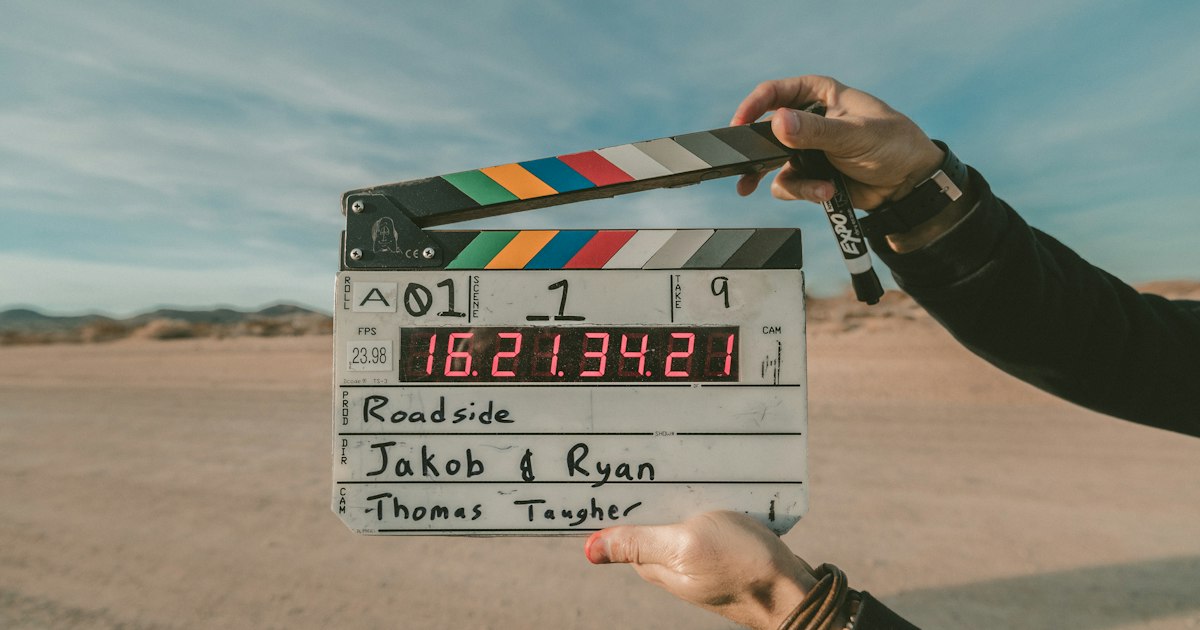
Production day coordination requires careful budget allocation across multiple departments
Post-Production Costs (30% of budget)
- Video editing and assembly: 12-15% of total budget
- Color grading and visual effects: 6-8% of total budget
- Audio post-production and mixing: 4-6% of total budget
- Motion graphics and animation: 5-8% of total budget
- Final delivery and distribution formats: 2-3% of total budget
How Much Should You Spend on Video Production?
Video production budgets vary significantly based on scope, quality requirements, and intended use. Here's a breakdown of typical budget ranges across different project types:
| Project Type | Budget Range (USD) | Typical Duration | Best For |
|---|---|---|---|
| Social Media Content | $2,000 - $8,000 | 30-60 seconds | Brand awareness, engagement |
| Corporate Video | $10,000 - $25,000 | 2-5 minutes | Internal communications, recruitment |
| Commercial Campaign | $25,000 - $100,000 | 30-90 seconds | Product launches, brand campaigns |
| Documentary/Long-form | $50,000 - $200,000+ | 10+ minutes | Brand storytelling, thought leadership |
According to Wyzowl's State of Video Marketing research, businesses that invest between 15-25% of their annual marketing budget in video content see the highest engagement rates and conversion improvements.
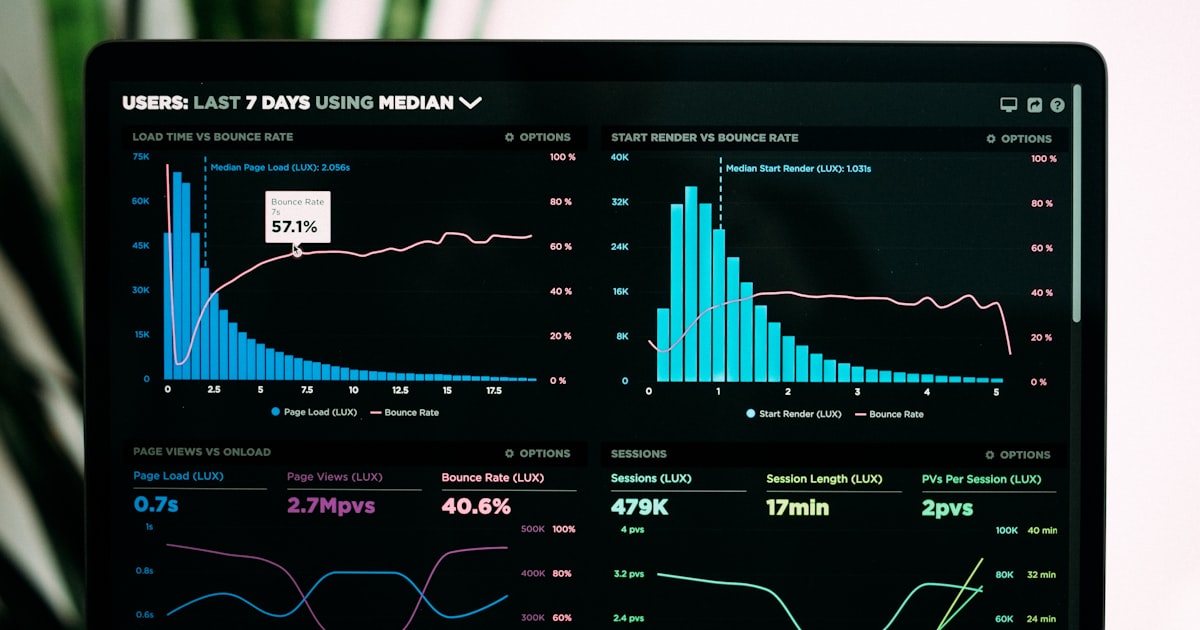
Data-driven budget allocation leads to measurable improvements in video performance
Where to Spend Your Video Budget for Maximum ROI
Strategic budget allocation is crucial for maximizing your video's impact. Based on performance data from over 500 video campaigns, here are the areas that deliver the highest returns on investment:
1. Professional Scriptwriting and Concept Development (High ROI)
Investing 8-12% of your budget in professional scriptwriting typically yields a 4:1 ROI improvement. Strong storytelling forms the foundation of every successful video campaign, and professional script development ensures your message resonates with your target audience.
2. Quality Audio Production (Highest ROI)
Audio quality has a 73% correlation with viewer engagement and completion rates. Allocating 6-10% of your budget to professional audio recording, sound design, and mixing delivers measurable improvements in audience retention.
3. Strategic Cinematography and Visual Style (Medium-High ROI)
Professional cinematography—including camera work, lighting, and composition—accounts for 15-20% of budget but directly impacts brand perception. Studies show that professionally shot videos increase brand trust by up to 68%.
"The most common mistake we see is businesses cutting corners on pre-production planning to save money. This almost always leads to higher costs during production and disappointing results. Proper planning and script development consistently deliver the highest ROI in our campaigns." - Creative Director, 9,6Hz Agency
Common Video Production Budget Mistakes to Avoid
Understanding where budget allocations typically go wrong can save you significant money and disappointment. Here are the most common mistakes we've observed across hundreds of video projects:
Underestimating Post-Production Costs
67% of first-time video producers underestimate post-production costs by 40-60%. Modern video content requires sophisticated editing, color grading, and audio mixing that can take 3-5 times longer than the actual shoot day.
Skipping the Contingency Fund
Industry best practice recommends allocating 10-15% of your total budget for contingencies. Weather delays, equipment issues, or creative pivots can quickly derail projects without proper financial buffers.
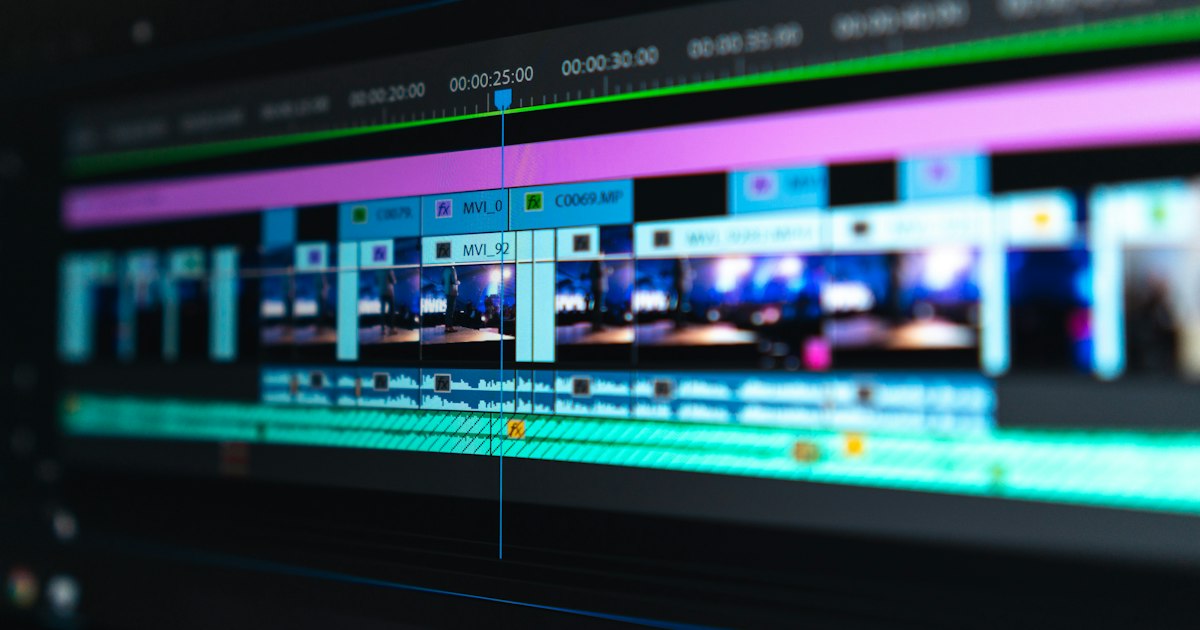
Professional post-production requires significant budget allocation for optimal results
Focusing Only on Production Day Costs
Many businesses allocate 70-80% of their budget to the actual shoot day, leaving insufficient funds for pre-production planning and post-production refinement. This imbalanced approach typically results in rushed planning and compromised final quality.
Video Budget Planning Checklist
Use this comprehensive checklist to ensure your video production budget covers all essential elements:
Pre-Production Budget Items
- Script development and revisions
- Storyboard creation
- Location scouting and permits
- Casting and talent agreements
- Equipment planning and testing
- Production scheduling and coordination
- Legal clearances and insurance
Production Day Budget Items
- Director and crew wages
- Camera and lighting equipment rental
- Location fees and logistics
- Catering and hospitality
- Transportation and accommodation
- Backup equipment and contingencies
- Additional shooting days (if needed)
Post-Production Budget Items
- Video editing and assembly
- Color correction and grading
- Audio mixing and sound design
- Motion graphics and animation
- Music licensing
- Final rendering and delivery
- Multiple format conversions

Collaborative budget planning ensures all stakeholders understand investment priorities
Maximizing Your Video Production Investment
Creating a successful video production budget requires balancing creative ambitions with financial realities. The key is understanding that video production is an investment in your brand's future, not just a marketing expense.
At 9,6Hz Agency, we've helped over 200 businesses across Southeast Asia optimize their video production budgets for maximum impact. Our data-driven approach to budget allocation has consistently delivered ROI improvements of 250-400% compared to industry averages.
Remember: the goal isn't to spend the least amount possible—it's to invest strategically in areas that deliver measurable results for your business objectives.
Ready to Plan Your Next Video Production?
Strategic budget planning is the foundation of every successful video campaign. Whether you're planning a corporate video, commercial campaign, or brand documentary, proper budget allocation ensures maximum impact for every dollar invested.
Want expert guidance on your video production budget? Our team at 9,6Hz Agency specializes in creating cost-effective video strategies that deliver exceptional ROI. Contact us today for a free budget consultation and discover how strategic planning can transform your video marketing results.
For a clearer scope, compare this budget plan with our finished video portfolio and review the production equipment that affects crew size, shoot speed, and image quality.